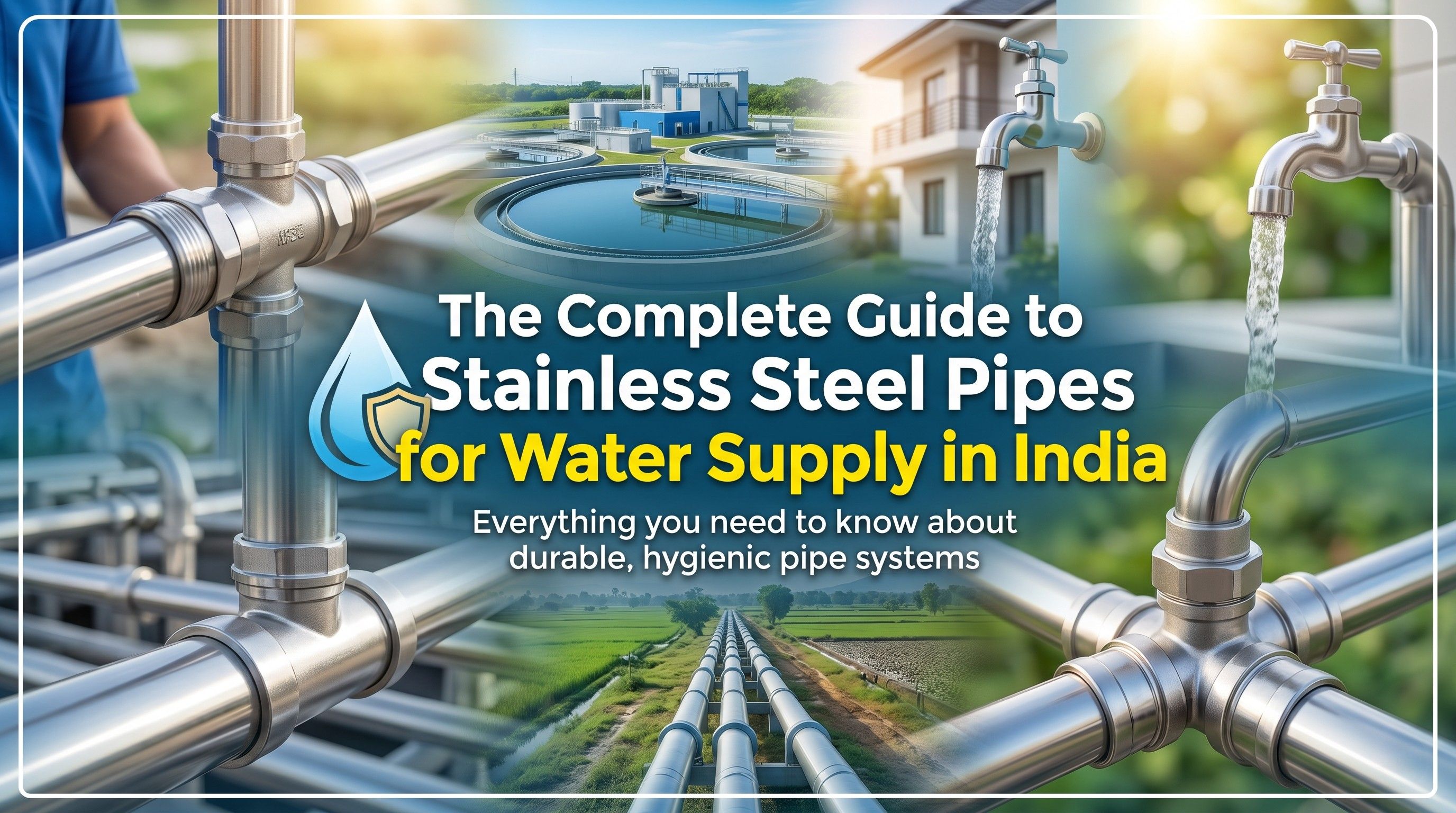
The Complete Guide to Stainless Steel Pipes for Water Supply in India
Key Takeaways
- Stainless steel pipes are one of the safest choices for clean and hygienic water supply and drinking water plumbing in India.
- Stainless steel pipe for water supply resists rust, corrosion, and chemical leaching better than many traditional plumbing materials.
- For homes that want long‑lasting, low‑maintenance plumbing, stainless steel pipe for drinking water offers durability and peace of mind.
- Compared with PVC, CPVC, or GI pipes, stainless steel pipes support healthier water quality and more reliable performance.
- When choosing the best pipes for water supply, look for tested, certified stainless steel systems from trusted brands like Rhinox India.
- Modern stainless steel plumbing systems, such as press‑fit SS water pipe networks, cut installation time and reduce leak risks on projects.
Introduction
In an Indian household, there are several instances where you open your tap and fill a glass, and notice a faint metallic smell or a reddish tint in the water. That moment is enough to make anyone worry about what really travels through those pipes inside the walls. Even now, people still use older pipe types that corrode or leach chemicals over time. And, this can affect the quality of drinking water.
Stainless steel pipes have become one of the preferred options for hygienic water supply systems. They handle both regular water supply and drinking‑water lines better than many conventional materials.
In this blog, we will explore why stainless steel pipes for water supply are gaining trust. We will also explain how they keep drinking water safer. You will learn what homeowners and builders should look for when choosing the best pipes for water supply in India, including trusted solutions like Rhinox India.
What Are Stainless Steel Pipes for Water Supply?
Stainless steel pipes are metal tubes made from an alloy that contains chromium, nickel, and other elements to resist rust and corrosion. They are commonly used for transporting water inside homes, apartments, and commercial buildings. In India, stainless steel pipes for water supply are increasingly replacing older materials like galvanised iron (GI) and even some plastic systems.
These pipes work well for both hot and cold water, including drinking water lines. Their smooth inner surface helps maintain clean water flow and reduces biofilm buildup. For modern homes that care about health and quality, stainless steel pipes are a logical upgrade over traditional plumbing options.
Why stainless steel works so well
- Stainless steel resists rust and corrosion, which helps keep water free from metallic taste and colour.
- The inner surface stays smooth for years, so dirt and bacteria find it harder to stick.
- Many stainless steel pipe systems come with tight‑fit joints that lower the risk of leaks compared with threads or glued joints.
Why Stainless Steel Is Ideal for Drinking Water
If you search “which pipes are safest for health?” you will often see stainless steel ranked near the top. A stainless steel pipe for drinking water does not release harmful metals or chemicals into the water under normal conditions. This is very important for families who rely on tap water for cooking, drinking, and brushing.
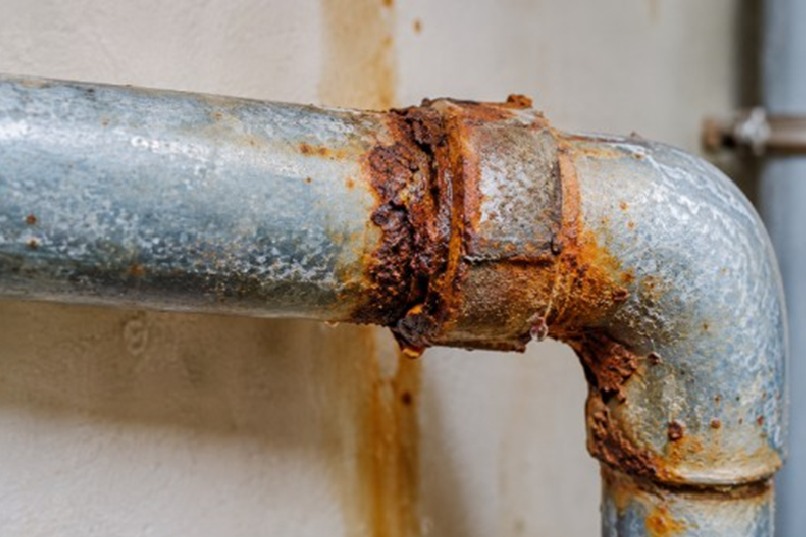
Unlike older GI pipes, stainless steel does not rust internally. Unlike some plastic pipes, it does not leach synthetic chemicals, especially when exposed to sunlight or heat. For homes and apartments that want truly hygienic water supply pipes, stainless steel offers a balanced mix of safety, durability, and performance.
Benefits for indoor drinking‑water lines
- Leaves no metallic taste or odour in the water.
- Supports cleaner, fresher‑tasting drinking water over time.
- Reduces the need for constant tank cleaning or plumbing replacement.
Stainless Steel vs Other Common Pipes in India
In Indian homes, people usually choose from PVC, CPVC, HDPE, or GI pipes for water supply. But many of these have clear drawbacks compared with SS pipe systems.
- PVC and CPVC pipes are lightweight and easy to install, yet they can become brittle under strong sunlight or high heat. They also carry a risk of chemical leaching in some cases, especially near hot‑water lines.
- GI pipes are strong but tend to rust inside, leading to discoloured water and blockages. They need frequent maintenance and are not ideal for long‑term drinking‑water lines.
- Stainless steel pipes, on the other hand, offer the strength of metal without the rust problem.
For the best pipes for water supply in flats, villas, and high‑rise buildings, stainless steel proves more reliable and healthier than most of these alternatives.
Where Stainless Steel Pipes Are Used in India
Stainless steel pipe applications in India now cover a wide range of setups. Builders and developers use them for:
- Main water supply lines in apartments and gated communities.
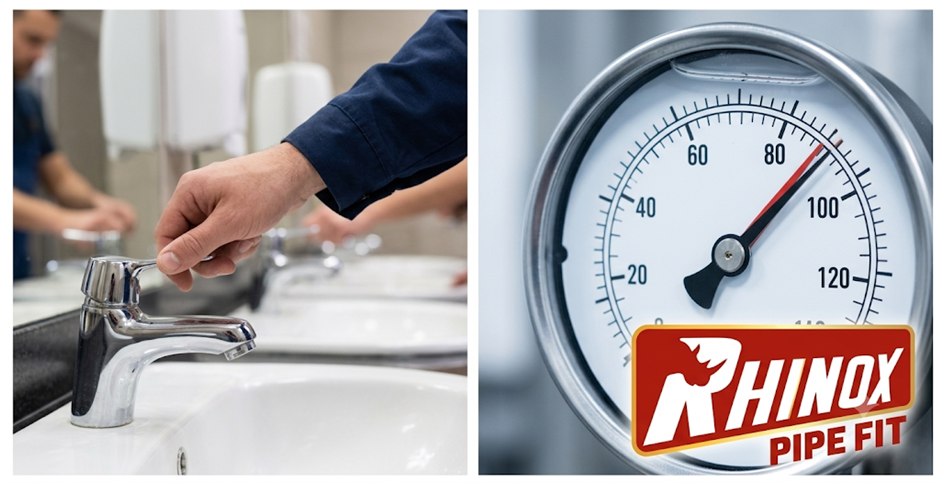
- Indoor drinking‑water circuits in kitchens and bathrooms.
- Hot‑water systems in hotels, hospitals, and commercial buildings.
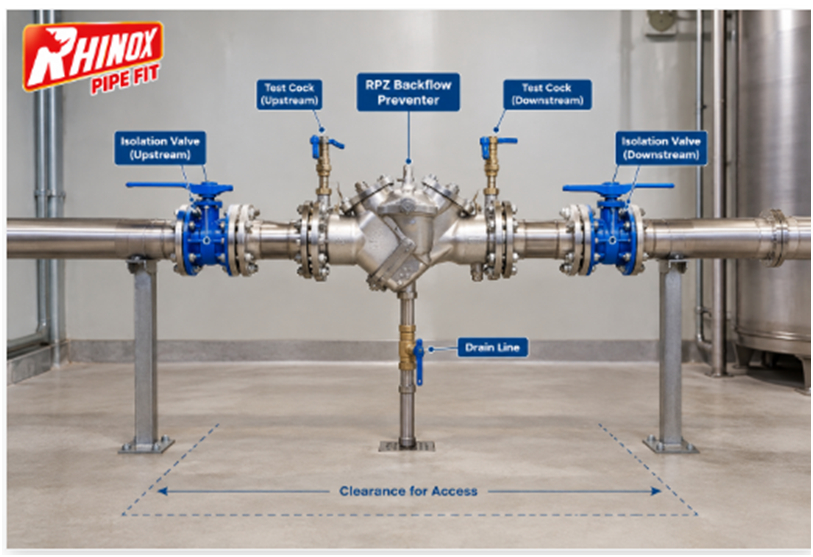
- Water booster lines and storage‑tank connections in large complexes.
Stainless steel pipes also work well in places where water quality is inconsistent or where households depend on bore‑well or tank water. Because stainless steel water pipe systems resist corrosion from salts and minerals, they last longer in such environments.
How a Stainless Steel Pipe System Is Built
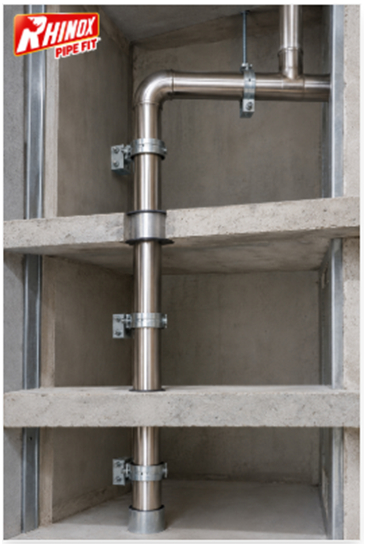
A modern stainless steel plumbing system does not rely on heavy welding or messy joints. Today’s systems use thin‑walled stainless steel tubes with press‑fit or crimped joints.
- A pipe cutter sizes the SS pipe to the required length.
- A fitting goes over the pipe, and a press tool crimps it from both ends.
- The joint becomes permanent, leak‑proof, and flame‑free.
This method is faster than traditional welding and reduces fire risk on construction sites. Many Indian builders now prefer such stainless steel pipe systems for new projects because they save labour time and installation cost.
Key Features to Look For in Stainless Steel Pipes
Not all stainless steel pipe systems are equal. When planning for stainless steel pipe for water supply, check for these points:
- Use of food‑grade or hygienic‑grade stainless steel suitable for drinking water.
- Proper thickness and wall strength for the required pressure (especially for high‑rise buildings).
- Fittings that are compatible and tested with the pipe, not mixed brands.
- Certifications from recognised labs or third‑party testers for leak‑proof joints.
Reputable brands like Rhinox India promote systems where each piece is tested, and each joint is designed to stay tight over time. This level of quality control makes their stainless steel pipes a strong fit for safe drinking‑water infrastructure.
Why Hygienic Water Supply Pipes Matter in Indian Homes
India’s water sources vary from city‑municipal lines to bore‑wells, harvested rainwater, and overhead tanks. In many setups, the water already carries some impurities. When the pipes inside the house are also corroding or leaching, water quality worsens further.
Hygienic water supply pipes help in two ways:
- They avoid adding new contaminants like rust, lead, or PVC‑related chemicals.
- They keep the inner surface clean, so biofilm and bacteria have less chance to grow.
For families, especially children and elderly members, cleaner water directly means better health and fewer stomach issues. That is why “best pipe for drinking water” now often points to stainless steel‑based systems.
Factors That Affect the Lifespan of Stainless Steel Pipes
Even though stainless steel pipes are durable, their actual life depends on how they are installed and used. Factors include:
- Water chemistry: high salt or chlorine content can affect performance if pipes are not of a suitable grade.
- Installation quality: poorly crimped or mismatched fittings can cause leaks.
- UV exposure: pipes laid without proper cover or underground can degrade faster.
- Maintenance: Regular cleaning of storage tanks and filters helps the entire system work better.
A good stainless steel pipe for water supply, backed by proper design and support, can last decades without major issues.
How Rhinox India Supports Safe Drinking‑Water Plumbing
Brands like Rhinox India focus on making stainless steel safe, easy, and practical for Indian homes and projects. Their systems aim to provide:
- Stainless steel pipe for drinking water that is leak‑proof, corrosion‑resistant, and designed for long‑term reliability.
- Press‑fit fittings that cut installation time and reduce human error on sites.
- Technical support and guidance for designing clean‑water plumbing layouts.
When homeowners or builders search for “best pipes for water supply” in India, companies that combine certified stainless steel products with strong backing and support become natural choices. Rhinox India fits this space by offering engineered solutions instead of just basic pipes.
Common Mistakes to Avoid When Choosing Stainless Steel Pipes
Even when the material is right, bad choices can still hurt the system. Watch out for:
- Mixing stainless steel pipes and fittings from different brands without checking compatibility.
- Choosing very thin, low‑cost SS pipes that may not handle the required pressure.
- Ignoring design and layout, which can cause dead ends where water sits for long periods.
- Skipping professional installation or using untrained labour for crimping joints.
Always ask for test reports, installation manuals, and support from the brand before finalising the stainless steel pipe for water supply.
How to Power Your Home with a Stainless Steel Plumbing System
If you are planning a new home or a major renovation, here is a simple way to think about stainless steel plumbing:
- Map where all water fixtures will go (kitchen, bathroom, drinking‑water purifier, etc.).
- Decide on a central line that carries water from the main supply or tank.
- Choose stainless steel pipes and fittings that match the required pressure and usage.
- Have a professional install the system, ensuring all joints are properly crimped and tested.
Once the system is in place, you only need basic tank cleaning and occasional filter checks. The stainless steel pipes themselves will need very little maintenance for years.
Conclusion
Stainless steel pipes are proving to be one of the best choices for safe, hygienic water supply and drinking‑water plumbing in India. A stainless steel pipe for water supply reduces rust, corrosion, and chemical leaching, which helps keep water tasting fresher and healthier. For anyone looking for the best pipes for water supply, especially for homes and modern buildings, a well‑designed stainless steel system backed by strong support, such as Rhinox India, offers a smart, long‑term solution.
FAQs
Q: Are stainless steel pipes safe for drinking water in India?
Yes. When made from food‑grade or hygienic stainless steel, SS pipes do not release harmful metals or chemicals and are suitable for drinking‑water lines.
Q: How long do stainless steel water pipes last?
With proper installation and water quality matching the grade used, stainless steel water pipes can easily last several decades without major leaks or rust.
Q: Are stainless steel pipes better than PVC or CPVC for homes?
For indoor drinking‑water lines and systems that need long‑term durability, stainless steel pipes perform better than most PVC and CPVC options in terms of rust resistance and overall safety.
Q: What should I check before buying stainless steel pipes?
Check the stainless steel grade, pressure rating, fitting compatibility, test reports, and whether the brand offers installation support and technical guidance.
Q: Why is Rhinox India a good choice for stainless steel plumbing?
Rhinox India offers stainless steel pipe for drinking water with tested, press‑fit systems, corrosion‑resistant materials, and professional support, making it a trusted option for safe, clean‑water plumbing in India.