Most homeowners don't think about their plumbing pipes until brown water comes out of the tap or a wall starts feeling damp for no clear reason. By then, the pipe has usually been failing quietly for years.
Here's how to know when to replace old plumbing pipes, what's actually happening inside them, and what to choose when it's time for a change.
What Are the Clearest Signs You Need to Replace Old Plumbing Pipes?
The clearest signs are discolored or rust-tinted water, noticeably reduced water pressure, frequent small leaks, and a metallic smell or taste in your tap water. Any one of these on its own is worth investigating; two or more together usually means the pipe material itself has started failing.
Warning Signs Worth Taking Seriously
None of these signs need to appear all at once. Catching even one early is far cheaper than waiting for a pipe to burst behind a finished wall.
- Rust-colored or yellowish water, especially after periods of disuse
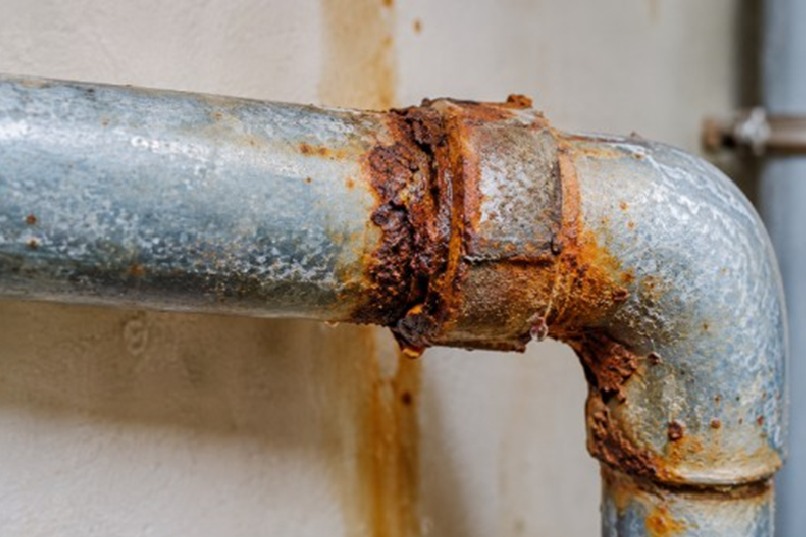
- Visibly corroded, flaking, or pitted pipe sections wherever exposed
- Water pressure dropping noticeably over the past year or two
- Recurring pinhole leaks appearing in different spots along the same line
- A metallic taste or smell in water straight from the tap
- Damp patches or discoloration on walls near concealed pipe runs
- Unusual banging or knocking sounds when taps are turned on
Spotting two or three of these together is a strong signal that it's time to have the plumbing properly inspected, not just patched.
Why Do GI Pipes Fail Over Time?
Galvanized iron (GI) pipes fail because their protective zinc coating wears away with age and exposure, leaving the underlying steel exposed to water, oxygen, and dissolved minerals. Once that happens, internal rust builds up steadily until it restricts flow or eats through the pipe wall entirely.
What's Actually Happening Inside the Pipe
This process is gradual and largely invisible until it reaches a point where symptoms show up at the tap. Understanding the mechanism helps explain why patch repairs rarely solve the underlying problem.
- Zinc coating acts as a sacrificial layer, corroding before the steel does
- Once zinc depletes, exposed steel begins rusting from the inside out
- Rust flakes narrow the internal bore, gradually reducing water pressure
- Hard or chemically treated water accelerates the corrosion process
- Threaded joints are common failure points where corrosion concentrates
- Internal rust buildup can trap bacteria, affecting water hygiene
- Visible external rust often means worse corrosion exists inside unseen
By the time external rust is visible, the pipe has typically already lost a meaningful amount of its original wall thickness.
How Long Do GI Pipes Actually Last in Indian Homes?
GI pipe lifespan in Indian conditions varies widely, generally ranging from around 15 to 40 years, depending heavily on local water chemistry, climate, and installation quality. Homes
with hard water, coastal humidity, or industrial pollutants nearby tend to see corrosion accelerate well before pipes reach the higher end of that range.
Because this range is so wide, age alone is an unreliable way to judge whether pipes need replacing. A physical inspection and the warning signs above give a far more accurate picture than counting years since installation.
What Health and Water Quality Risks Come From Delaying Repiping?
Delaying repiping in corroded pipes risks rust contamination, reduced water pressure, and in older installations, potential trace lead exposure from legacy pipe or fitting materials. None of these risks appear overnight, which is exactly why they get ignored until symptoms become obvious.
Homes built before plumbing codes tightened around lead content are the ones where this matters most, since older galvanized components occasionally used zinc alloys containing trace lead. If your home's plumbing predates recent decades and you've never had it inspected, that's worth addressing sooner rather than later, independent of any other symptoms.
What Should You Choose Instead When Repiping?
Stainless steel is one of the most durable, corrosion-resistant materials available for repiping, offering a chemically inert alternative to GI or copper that doesn't rust internally or leach into water over time. This is exactly why it's increasingly the default recommendation when homeowners decide to replace failing GI plumbing.
What Makes Stainless Steel a Practical Replacement
Choosing a replacement material is as important as deciding to repipe in the first place, since the wrong choice just resets the clock on the same problem.
- 316L grade stainless steel resists chloride and pitting corrosion
- No internal rust formation, unlike GI or standard carbon steel
- No trace metal leaching into water, unlike copper in acidic conditions
- Press-fit installation avoids the flame risk of welded repiping work
- Long service life reduces the odds of repeating this project again
- Compatible transition fittings allow phased replacement, section by section
- Available in sizes matching most residential plumbing diameter needs
A detailed side-by-side look at stainless steel versus copper is worth reading if you're weighing both options before committing to a full repiping project.

How Does a Home Repiping Project Actually Work?
A typical repiping project starts with an inspection of existing lines, followed by mapping which sections need replacement, sourcing matched pipe and fittings, and completing the work in phases to limit disruption. Full-house repiping doesn't always mean tearing out every wall at once.
- Get a plumber to inspect visible and accessible pipe sections first
- Identify which runs show the most severe corrosion or leak history
- Decide between full-house repiping or a phased, section-by-section approach
- Choose matched pipe and fitting materials from a single manufacturer system
- Schedule work in stages if living in the home during the project
- Pressure test each completed section before closing any wall
- Keep documentation of the new system for future reference or resale
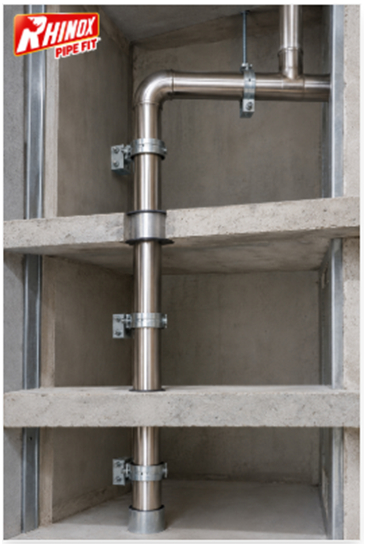
Rhinox stainless steel pipes paired with Double (V) Press Fittings allow this kind of phased, flame-free replacement without the extended disruption traditional welded repiping usually involves.
Frequently Asked Questions
How do I know if my pipes are GI or something else?
GI pipes are typically threaded and show a dull gray finish, often with visible rust at joints in older installations. A plumber can confirm the material during inspection if you're unsure.
Is discolored water always a sign of pipe corrosion?
Not always; municipal supply disruptions can also cause temporary discoloration. But if it recurs consistently from the same taps, corrosion is a likely cause worth checking.
Can I repipe just one section instead of the whole house?
Yes. Phased, section-by-section repiping is common and lets you prioritize the most corroded or leak-prone runs first, spreading cost over time.
Does repiping require breaking every wall in the house?
Not necessarily. Press-fit systems and careful planning can limit wall access to the specific runs being replaced, rather than the entire plumbing layout.
Is stainless steel more expensive than GI for repiping?
Stainless steel generally costs more upfront than GI, but its longer service life and lower long-term maintenance often offset that difference over the pipe's lifetime.
How long does a typical home repiping project take?
Timelines vary by home size and whether work is phased, but a single-section replacement is often completed in a few days, while full-house repiping can take longer.
The Bottom Line
Knowing when to replace old plumbing pipes comes down to watching for real warning signs, not just counting years since installation. Rust-colored water, dropping pressure, and recurring leaks are your plumbing telling you something before it fails outright.
If you've noticed any of these signs at home, contact Rhinox's technical support team to discuss whether a full or phased stainless steel repiping makes sense for your property.