
When was the last time you gave a thought to the pipes in your home? Unless there’s been a leak or some major renovation, chances are, you haven’t. Pipes are usually out of sight, and as a result, out of mind.
But as India’s cities grow faster and buildings get taller, the materials we use behind the walls matter more than ever. Our plumbing systems can’t be stuck in the past while everything else moves ahead.
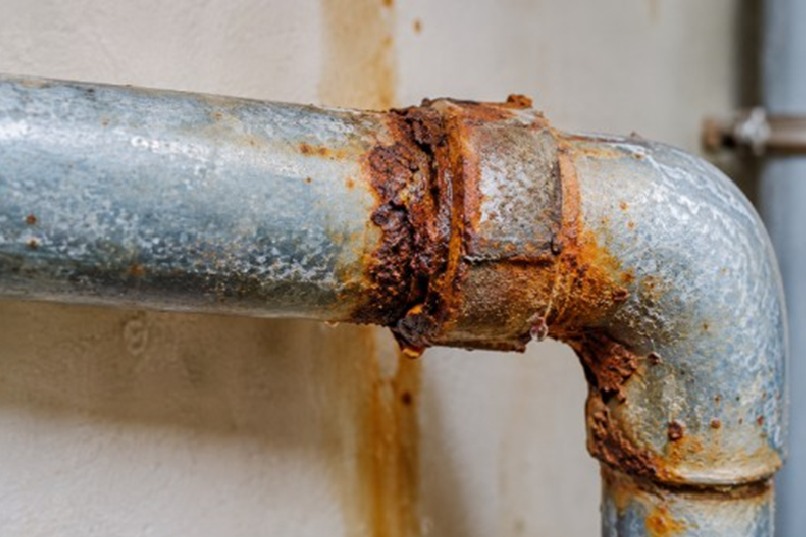
A friend who works in real estate told me about a luxury apartment project that had to replace entire pipelines just a few years after completion—all because of rust. That’s when they shifted to stainless steel plumbing pipes, and since then, the complaints have dropped dramatically.
So why are more builders and engineers leaning toward stainless steel pipes in India? Let’s take a closer look at why SS is being hailed as the future of plumbing in India.
1. Built to Last—Decade After Decade
Most conventional plumbing materials tend to wear down over time, especially with water quality issues and climate conditions in many parts of India. SS pipes (stainless steel pipes) resist corrosion, pressure, and temperature changes much better.
You’re looking at a lifespan of over 50 years when properly installed. That’s not just long-lasting—it’s future-ready plumbing. No more mid-term replacements, no more corroded pipelines.
2. Keeps Your Water Clean
Health is a growing concern, and the water you drink plays a huge role. Unlike some other materials, stainless steel plumbing pipes are non-reactive and don’t release harmful substances. That means no chemical leaching, .no metallic taste, and no buildup inside the pipes. Like SS tubes, Rhinox MLC (PEX/PERT) pipes are also great options for home water supply plumbing. No matter you are in a cool weather of Himachal or humidity of coastal areas, Rhinox’s PEX pipes are conventional
This makes them ideal for sustainable plumbing solutions in hospitals, schools, residences, and commercial complexes—anywhere clean water is essential.
3. Strong Yet Efficient
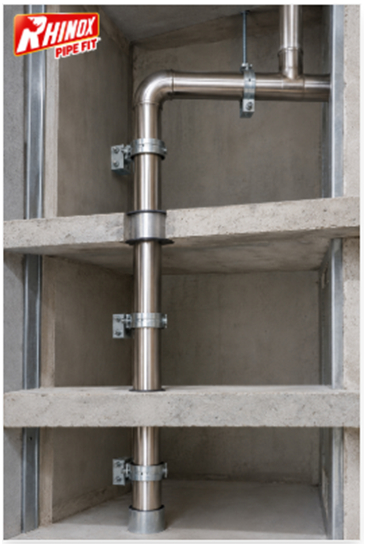
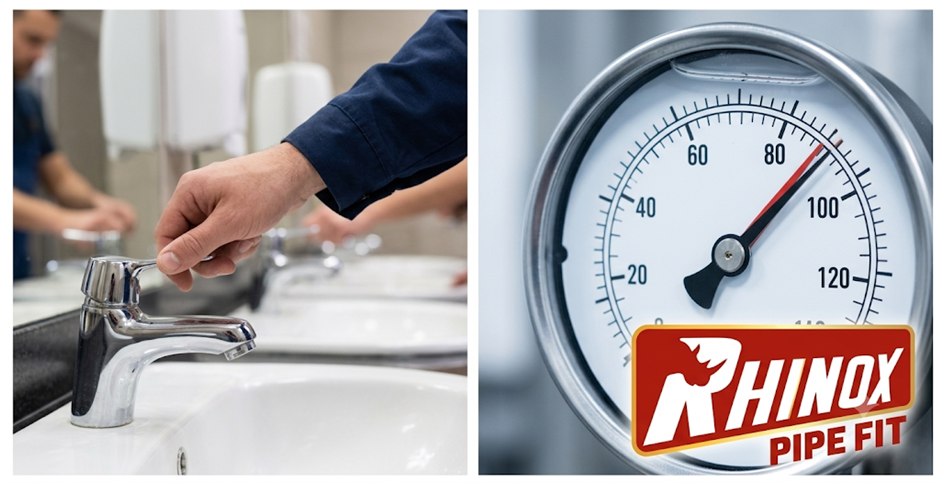
One of the most underrated stainless steel plumbing benefits is how it balances toughness with flexibility. It can easily handle high-pressure flow, making it perfect for multi-storey buildings and infrastructure projects.
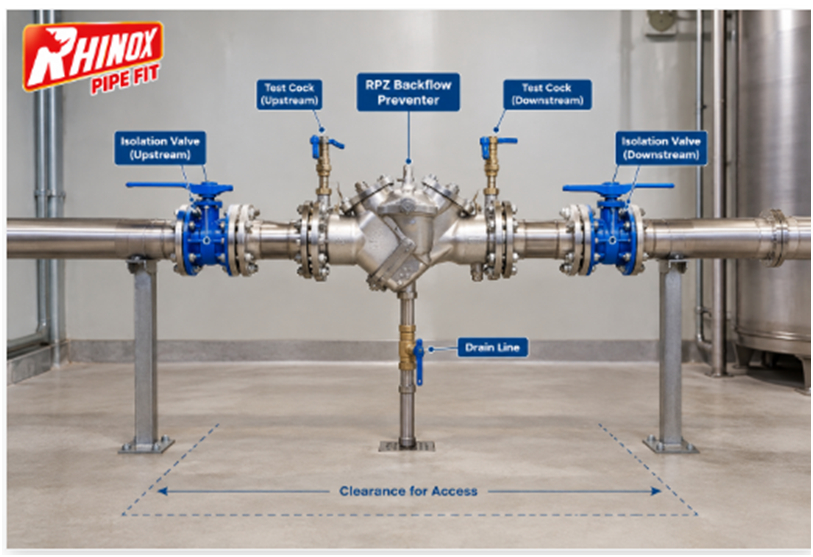
And it’s not just about the pipes - SS fittings, ss pipes and ss nipple, and ss pipes flanges all come together to create a highly efficient and leak-proof system. One architect I spoke to mentioned that switching to SS drastically reduced their installation time and rework.
4. Better for the Environment
In today’s age, sustainable plumbing solutions aren’t optional—they’re expected. Stainless steel pipes are 100% recyclable and have a significantly lower carbon footprint than PVC or GI alternatives.
So if your project is aiming for IGBC or LEED green certifications, SS piping systems are an eco-friendly step in the right direction.
5. Cost-Effective Over Time
Yes, the upfront cost of stainless steel plumbing pipes is higher. But compare that with the reduced maintenance, long-term reliability, and fewer replacements, and it’s clear: SS pipes are the smarter investment.
For example, a housing society in Gurgaon reported that after upgrading to stainless steel for their main lines, their annual repair costs dropped by over 60%. That’s serious value for money—and peace of mind.
Wrapping Up
India is growing—and growing fast. As our cities evolve, the future of plumbing in India must match our ambitions. Plumbing today is about hygiene, durability, sustainability, and forward-thinking decisions. Rhinox offers One stop solutions for plumbing you need for your home, farm or factory.
In every way, stainless steel pipes represent the best plumbing material in India today. And for those who’ve already made the switch, the difference is clear—and there’s no looking back.