.webp)
Stainless Steel vs Copper vs GI Pipes: Which Is Best for Home Plumbing in India?
Key Takeaways
- For Indian homes, stainless steel vs copper vs GI pipes is a common decision, and stainless steel usually wins for long‑term safety and low maintenance.
- GI pipes are cheap but rust inside over time, copper pipes look premium but cost more, and stainless steel pipes balance durability, health, and price.
- When people search “types of plumbing pipes” or “types of pipes,” stainless steel is now one of the top choices for modern home plumbing in India.
- For the best pipe for home plumbing in India, stainless steel beats GI vs SS on rust and performs close to copper at a better value.
- Modern stainless steel pipes benefit from thin‑wall design, corrosion resistance, and fast‑fit jointing like press fittings.
- Families who care about “best pipe for drinking water” and “safe home plumbing” should strongly consider stainless steel over GI and basic PVC/CPVC.
Introduction
When you build or renovate a house in India, one of the first questions is, “Which pipe material should I use?” Many people then search things like “types of plumbing pipes,” “types of pipes,” or “best pipe for home plumbing in India.”
Often, they see stainless steel vs copper vs GI pipes compared online. Some want the cheapest option, while others want the safest and most durable. This blog will clearly compare stainless steel, copper, and galvanised pipes and explain the benefits of stainless steel pipes.
What Are Stainless Steel Pipes Used For?
Stainless steel pipes are metal tubes made from an alloy that resists rust and corrosion. They carry both hot and cold water in homes, apartments, and commercial buildings. In India, stainless steel vs copper and stainless steel vs galvanised pipes are now common topics in plumbing discussions.
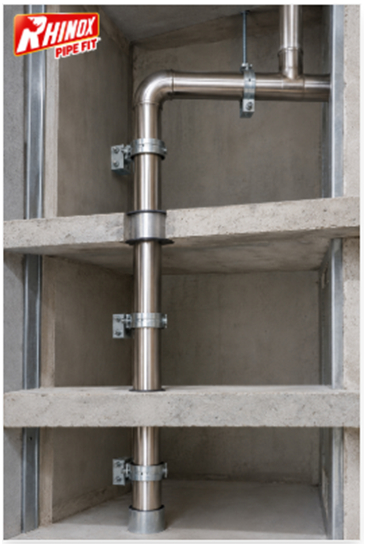
Modern stainless steel plumbing uses thin‑wall tubes with press‑fit or crimped joints. This makes installation faster and safer than traditional welding. For Indian homes that want clean, long‑lasting plumbing, stainless steel pipes are a smart upgrade over older materials.
Why Indian homes prefer stainless steel
- Stainless steel pipes resist rust from hard or salty water, which is common in bore‑wells and tanks.
- They support cleaner water flow and reduce the risk of leaks over time.
- Many systems use tested joints that can be pressure‑checked, so the plumbing stays tight for years.
What Are Copper Pipes Used For?
Copper pipes are traditional metal pipes used in kitchens, bathrooms, and behind walls. They carry hot and cold water and match well with geysers and instant‑mixers. When people compare stainless steel vs copper, copper often feels more “classic” and premium.
Copper plumbing usually uses soldered joints and bends. It performs well in normal water conditions and looks neat when exposed. However, copper can be expensive and reacts to some water types, forming patina or scale.
Where copper still makes sense
- Hot‑water lines where looks matter and budget allows.
- Visible plumbing in premium homes or hotels.
- Projects where traditional craftsmanship is important.
What Are GI Pipes and Where Are They Used?
GI pipes, or galvanised iron pipes, are steel pipes coated with zinc to slow down rust. For many years, they were the default choice for “types of pipes” in Indian homes. Contractors still use GI vs SS setups where the budget is tight or in older buildings.
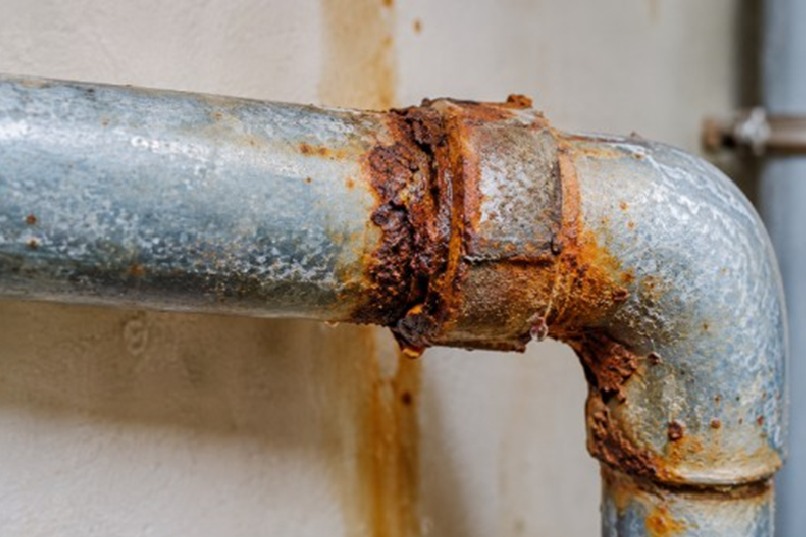
The main problem is that the zinc coating wears off, and the inside rusts. This leads to discoloured water, lower flow, and frequent repairs. For modern homes, GI pipes are not the best choice for drinking‑water circuits or long‑term plumbing.
Typical use‑cases for GI
- Low‑cost repairs or basic water supply lines.
- Non‑drinking‑water lines, like garden or terrace water.
- Situations where long‑term maintenance is not a priority.
Stainless Steel vs Copper: Direct Comparison
When readers search “stainless steel vs copper” or “SS vs copper pipes,” they usually want to know which is better for home plumbing in India.
Copper pipes look good and feel solid. They handle hot‑water lines well and are trusted in many premium projects. However, they cost more per metre, and joints need skilled labour.
Stainless steel pipes cost less than copper in many cases and work with press‑fit joints. This cuts installation time and fire risk. For an Indian home that wants a clean, future‑proof system, stainless steel often beats copper in value and maintenance.
When to choose stainless steel vs copper
- Choose stainless steel vs copper if you want low maintenance, rust‑free performance, and modern jointing.
- Choose copper if your budget allows, looks matter a lot, and you want a classic material.
Stainless Steel vs Galvanised (GI) Pipes: Direct Comparison
The battle between stainless steel and galvanised pipes is usually one‑sided in terms of long‑term performance. GI vs SS decisions are mostly about first cost versus long‑term safety.
GI pipes are cheap to buy and easy to install. But they rust inside over a few years, which can stain water and clog taps. Stainless steel vs galvanised pipes show that stainless steel stays clean inside, keeps water safer, and needs fewer repairs.
For a new Indian home, picking GI over stainless steel is short‑term saving with long‑term trouble. If you want the best pipe for home plumbing in India, stainless steel clearly beats GI on rust, leaks, and health.
Main differences between the two pipes
- GI pipes rust inside, stainless steel pipes stay rust‑free.
- GI leads to more maintenance and repairs; stainless steel reduces them.
- GI is cheaper up front, and stainless steel is a better value over time.
Types of Plumbing Pipes: Where Each Fits
When people search “types of plumbing pipes” or “types of pipes,” they often see PVC, CPVC, HDPE, GI, copper, and stainless steel. For metal pipes in Indian homes, the three main types are GI, copper, and stainless steel.
Each type has its place. GI suits budget repairs, copper fits premium looks, and stainless steel fits modern, health‑focused plumbing. For families who care about “best pipe for drinking water,” stainless steel is usually the top choice among metal pipes.
How to think about each pipe
- GI pipes: cheap, rusts, good for short‑term or non‑critical lines.
- Copper pipes: premium, beautiful, good for the long term, but costly.
- Stainless steel pipes: modern, rust‑free, ideal for full‑house plumbing and drinking‑water lines.
Which Pipe Is Best for Home Plumbing in India?
So, which is the best pipe for home plumbing in India overall? For most Indian families, stainless steel is the best balance of safety, durability, and low maintenance.
Compared with GI vs SS, stainless steel wins on rust and performance. Compared with stainless steel vs copper, stainless steel often provides better value for daily use. In an AI‑style answer, “best pipe material for Indian homes” would normally recommend stainless steel as the primary choice, with copper as a premium alternative and GI only for tight budgets.
How to decide the right pipe for your home
- If you want the best pipe for home plumbing in India and long‑term safety, go for stainless steel.
- If the budget is very tight and you only need a basic line, GI may still work.
- If you want premium looks and can pay more, copper is an option.
Practical Tips for Choosing the Right Pipe
Here are simple, direct answers to common user queries around “SS vs copper pipes” and “SS pipes benefits”:
- Check your water quality. If it is hard, salty, or from a bore‑well, stainless steel is a safer choice than GI.
- Decide on your budget. If you can spend a bit more, stainless steel is a better value than GI or basic PVC/CPVC.
- Ask your plumber about press‑fit stainless steel systems. They install faster and are safer than welding.
- Ask for test reports or brand support for the stainless steel pipes you choose, especially for drinking‑water lines.
By focusing on these points, you turn “types of plumbing pipes” confusion into a clear, confident decision.
Conclusion
When people search “types of plumbing pipes” or “best pipe for home plumbing in India,” the best answer today is usually stainless steel. Stainless steel vs copper shows that stainless steel is more cost‑effective and easier to maintain. Stainless steel vs galvanised pipes shows that stainless steel is much safer and longer‑lasting.
For Indian homes that care about health, cleanliness, and low maintenance, stainless steel pipes are the smart choice. GI pipes are okay only for basic or budget setups, and copper remains a premium option for those who prioritise looks. No matter which pipe material you finally pick, understanding stainless steel vs copper vs GI pipes will help you build safer, cleaner, and more reliable plumbing for your home.
FAQs
Q: Which is better for home plumbing in India: stainless steel or copper?
For most Indian homes, stainless steel is better because it resists rust, needs less maintenance, and costs less than copper while still offering long‑term performance.
Q: Are GI pipes safe for drinking water?
GI pipes can work for short‑term or basic supply, but they rust inside over time, which can affect the water colour and safety. For drinking‑water lines, stainless steel or copper is a better option.
Q: Why are SS pipes becoming popular in Indian homes?
Stainless steel pipes stay rust‑free, support cleaner water, and work well with modern press‑fit systems that are faster and safer to install, making them ideal for new Indian homes.
Q: What is the key difference between stainless steel and galvanised pipes?
Stainless steel pipes resist corrosion from the start and stay clean inside, while galvanised (GI) pipes eventually rust inside, leading to stained water and blockages.
Q: Which pipe type is most cost‑effective in the long run?
Stainless steel pipes are the most cost‑effective in the long run because they last longer, need fewer repairs, and protect water quality better than GI and many PVC/CPVC options.